Navigating the World of Automated Cleaning: A Guide to Buying the Right Cleaning Robot
In today's busy world, the desire for benefit and efficiency reaches every aspect of our lives, even home chores. Cleaning, typically a time-consuming and tiresome job, is no exception. Cheap Robot Hoover is where cleaning robots, the automated allies in the battle versus dust and dirt, are ending up being increasingly popular. These intelligent gadgets guarantee to liberate house owners from the drudgery of vacuuming and mopping, freeing up valuable time and energy. Nevertheless, with a diverse variety of models and functionalities readily available on the market, selecting the ideal cleaning robot can feel overwhelming.
This post intends to demystify the process of purchasing a cleaning robot, offering a detailed guide to assist you navigate the numerous choices and make an educated decision that best suits your needs and home environment. Whether you're a busy expert, a pet owner, or simply someone who appreciates a tidy home without the effort, understanding the crucial elements associated with choosing a cleaning robot is important.
Understanding the Landscape: Types of Cleaning Robots
Before diving into particular features and factors to consider, it's necessary to understand the various types of cleaning robotics readily available. Each type is designed for specific cleaning jobs, and understanding their distinctions will limit your choices.
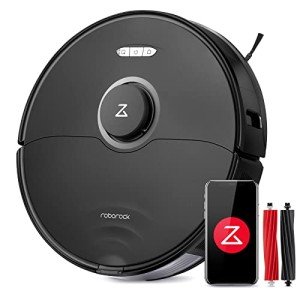
- Robot Vacuum Cleaners: These are the most typical kind of cleaning robot, developed mainly for vacuuming floors. They can be found in numerous shapes, sizes, and with a variety of features, from fundamental designs concentrated on easy dust and debris elimination to innovative variations geared up with mapping technology, voice control, and self-emptying bins. Robot vacuums are efficient on various floor types consisting of hardwood, tile, and carpet, though their efficiency can vary depending upon carpet thickness and pile height.
- Robot Mop Cleaners: Dedicated mopping robots focus solely on cleaning hard floors using water and cleaning solutions. They usually utilize moist or damp cloths or pads to scrub and wipe floors, removing spots and spills. Some designs feature oscillating or vibrating mopping heads for improved cleaning action, while others are developed for lighter, upkeep mopping. Robot mops are perfect for kitchens, bathrooms, and other locations with hard flooring.
- Mix Robot Vacuum and Mops: These versatile robotics attempt to provide the best of both worlds by integrating vacuuming and mopping performances in a single gadget. Frequently, they vacuum initially and then mop, or they may vacuum and mop all at once. While offering convenience, it's important to note that combination robots may not carry out either job as adequately as dedicated vacuum or mop robotics. Consider your main cleaning need when assessing mix models.
- Pool Cleaning Robots (Brief Mention): While not directly related to indoor home cleaning, swimming pool cleaning robots should have a short mention as another classification of automated cleaning gadgets. These robotics are developed particularly for cleaning swimming pools, scrubbing walls and floorings and vacuuming debris from the water. If you have a pool, this is a different classification worth checking out, but it's unique from the robotics planned for indoor floor cleaning.
Secret Considerations When Choosing Your Cleaning Robot
Once you understand the kinds of cleaning robots, the next action is to consider the elements that will determine the very best option for your particular situation.
Cleaning Performance & & Features
- : Suction Power (Vacuum Robots): For vacuum robots, suction power is an essential factor, particularly if you have carpets or animals. Higher suction power is usually needed to effectively lift dirt and debris from carpets and pet hair. Look for requirements like Pascal (Pa) rankings, though real-world performance can differ, so reading reviews is useful.
- Brush System (Vacuum Robots): The type and style of the brush roll likewise impact cleaning efficiency. Some robotics have single brush rolls, while others feature dual brushes or a mix of brush types to deal with different floor surface areas and particles. Consider if the brushes are designed to reduce hair entanglement, especially if you have pets.
- Mopping System (Mop Robots & & Combination Robots): For mopping robotics, think about the mopping technique. Some use easy moist cloths, while others have vibrating or oscillating pads for more reliable scrubbing. Water tank capability and the ability to manage water output are likewise important aspects. For mix robotics, evaluate how efficiently they shift in between vacuuming and mopping modes.
- Navigation & & Mapping: More sophisticated robots include sophisticated navigation systems. Mapping innovation enables robots to develop a virtual map of your home, allowing them to clean more efficiently, follow particular cleaning courses, and even permit you to designate no-go zones. Sensors assist robotics avoid obstacles and avoid falls from stairs. Fundamental robots might rely on bump-and-go navigation, which can be less efficient and possibly miss areas.
- Cleaning Modes & & Customization: Look for robotics that provide different cleaning modes, such as area cleaning, edge cleaning, and zone cleaning. click the up coming web page and scheduling functions permit tailored cleaning regimens and remote operation, contributing to the benefit factor.
Your Home Environment:
- Floor Type: Consider the primary floor key ins your home. Wood, tile, laminate, and carpet all require different cleaning approaches. Ensure the robot you choose appropriates for most of your flooring. Some robots are much better fit for tough floors, while others stand out on carpets.
- Home Size & & Layout: The size of your home and its design will influence battery life and navigation needs. Larger homes may require robotics with longer battery life or the ability to recharge and resume cleaning. Complex layouts with several spaces and barriers gain from robots with sophisticated mapping and navigation.
- Obstacles & & Furniture: Consider the amount and type of furnishings in your house. Robots need to navigate around furniture legs, under couches, and avoid cables and small items. Check the robot's clearance height to ensure it can fit under your furnishings. Cable television management and cleaning up clutter can substantially improve robot performance.
- Pet Hair & & Allergies: If you have family pets, pet hair cleaning capability is a crucial factor to consider. Try to find robots particularly created for pet hair removal, typically including stronger suction, tangle-free brush rolls, and HEPA filters to trap irritants and pet dander.
Characteristic & & Functionality:
- App Control & & Smart Home Integration: Many contemporary cleaning robots feature mobile phone apps that enable you to control the robot remotely, schedule cleaning sessions, screen cleaning progress, and adjust settings. Some robotics likewise incorporate with smart home ecosystems like Alexa or Google Assistant for voice control.
- Battery Life & & Charging: Battery life dictates the length of time a robot can clean up on a single charge. Consider the battery life in relation to the size of your home. Automatic recharging and resume cleaning functions are important for larger areas, enabling the robot to return to its charging dock and continue cleaning where it left off.
- Self-Emptying Bins (Vacuum Robots): Some high-end vacuum robotics include self-emptying bins. These robots instantly transfer collected dirt and debris into a bigger bin situated in the charging dock, decreasing the frequency of manual emptying.
- Border Setting/No-Go Zones: The ability to set virtual limits or no-go zones works for avoiding robotics from getting in certain areas, like delicate carpets, pet feeding stations, or children's backyard. This can be achieved through app control, magnetic strips, or physical boundary markers.
- Sound Level: Cleaning robotics create noise during operation, though sound levels vary in between designs. If sound level of sensitivity is an issue, check the decibel (dB) ranking of the robot. Some robotics use quieter cleaning modes.
- Upkeep & & Durability: Consider the ease of upkeep, such as clearing the dustbin, cleaning brushes, and changing filters. Read evaluations to evaluate the robot's dependability and toughness. Examine the warranty offered by the maker.
Spending plan & & Price:
- Cleaning robotics range substantially in cost, from economical standard designs to high-end robotics with advanced features. Identify your spending plan and prioritize the functions that are crucial to you within that variety. Bear in mind that a higher price does not always ensure superior cleaning efficiency; think about value for money and features relevant to your needs.
Brand name Reputation & & Customer Support:
- Choosing a reliable brand name often provides guarantee of quality, reliability, and better consumer support. click the up coming web page and read customer evaluations to comprehend user experiences and prospective problems. Check warranty terms and the schedule of customer support and spare parts.
Selecting the Right Robot: A Step-by-Step Approach
To successfully choose the ideal cleaning robot for your requirements, follow these actions:
- Assess Your Cleaning Needs: Determine your main cleaning concerns. Do you require generally vacuuming, mopping, or both? Consider your floor types, pet situation, and the size and intricacy of your home.
- Set a Budget: Determine just how much you want to invest in a cleaning robot. This will assist narrow down your choices.
- Identify Key Features: Based on your requirements and budget, identify the essential features and nice-to-have functions. Focus on functions that straight address your cleaning challenges.
- Research and Compare Models: Read online reviews, compare requirements, and watch video evaluations of various designs that fit your requirements. Concentrate on reliable brands and designs understood for reliability and performance.
- Consider Long-Term Costs: Factor in prospective replacement parts, filter expenses, and battery lifespan when considering the general cost of ownership.
- Read Customer Reviews: Pay attention to client reviews to get real-world insights into the robot's performance, reliability, and any potential concerns.
- Check Warranty and Support: Understand the service warranty offered by the manufacturer and the availability of customer assistance must you experience any problems.
Tips for Getting one of the most Out of Your Cleaning Robot
As soon as you've acquired your cleaning robot, follow these pointers to ensure ideal performance and durability:
- Prepare Your Home: Before running your robot, declutter floors, get loose cable televisions, and get rid of little objects that may obstruct its path or get tangled in brushes.
- Regular Maintenance: Empty the dustbin or water tank frequently. Tidy brushes, filters, and sensing units as suggested by the producer. This ensures optimal cleaning efficiency and extends the robot's lifespan.
- Follow Scheduling Recommendations: If your robot has scheduling features, established a cleaning schedule that lines up with your requirements and guarantees your home is cleaned up regularly.
- Observe Initial Cleaning Cycles: During the first few cleaning cycles, observe the robot's efficiency and determine any areas where it may have a hard time or get stuck. Adjust furnishings arrangement or use boundary markers to enhance cleaning effectiveness.
- Keep Software Updated: If your robot has software application updates, guarantee you install them to take advantage of efficiency enhancements, new functions, and bug fixes.
Conclusion
Purchasing a cleaning robot can be a significant action towards streamlining your family chores and recovering important time. By understanding the various types of cleaning robots, thoroughly considering your requirements and home environment, and following the standards laid out in this short article, you can with confidence choose a cleaning robot that will effectively automate your floor cleaning and contribute to a cleaner and more comfy home. Embrace the convenience and flexibility that these smart gadgets provide, and delight in a life with less cleaning and more leisure.
Frequently Asked Questions (FAQs) About Buying Cleaning Robots
Q1: Are cleaning robotics as efficient as standard vacuum cleaners and mops?
- Cleaning robots are normally efficient for regular upkeep cleaning, keeping dust and particles at bay. For deep cleaning or dealing with heavy spills, standard vacuum cleaners and mops may still be required. However, for day-to-day upkeep and releasing up your time, cleaning robotics are highly useful.
Q2: How long do cleaning robot batteries last, and the length of time does it take to charge?
- Battery life differs depending upon the model and cleaning mode, normally varying from 60 to 120 minutes. Charging time can likewise vary, usually taking 2-4 hours for a complete charge. Numerous robots feature automatic recharging, going back to the dock when battery is low.
Q3: Are cleaning robotics noisy?
- Cleaning robots do produce sound, however generally less than standard vacuum cleaners. Sound levels vary from around 55 to 70 decibels, depending on the design and suction power. Quieter designs and quiet cleaning modes are readily available.
Q4: How much upkeep do cleaning robots require?
- Upkeep is reasonably basic and includes routinely clearing the dustbin or water tank, cleaning brushes and filters, and periodically cleaning sensors. The frequency of maintenance depends on use and pet ownership.
Q5: What is the typical life-span of a cleaning robot?
- With proper care and upkeep, a great quality cleaning robot can last for 3-5 years, and even longer. Battery life is often the first part to break down and might require replacement after a few years.
Q6: Are cleaning robotics suitable for pet owners?
- Yes, numerous cleaning robots are specifically developed for pet owners, including strong suction, tangle-free brushes, and HEPA filters to handle pet hair and dander effectively. Look for designs marketed as "pet-friendly."
Q7: Can cleaning robots damage furniture or walls?
- Most cleaning robotics are equipped with sensing units to spot barriers and avoid accidents. However, it's still advisable to declutter and handle cables to reduce potential bumps and scratches. Setting up no-go zones can secure fragile furniture or locations.
Q8: Are cleaning robotics worth the investment?
- For lots of people, especially those with busy way of lives, pets, or movement concerns, cleaning robotics are a rewarding investment. They conserve effort and time on cleaning, contributing to a cleaner home and increased convenience. Consider your private requirements and budget to determine if the benefits surpass the cost.